
The Science Department kicked off the new year with an exciting array of hands-on activities and
experiments across different year groups. Here’s a look at the key events that took place in January,
where students engaged in practical science to deepen their understanding of various scientific
concepts.
Year 7 Science – Exploring Natural Plant Indicators
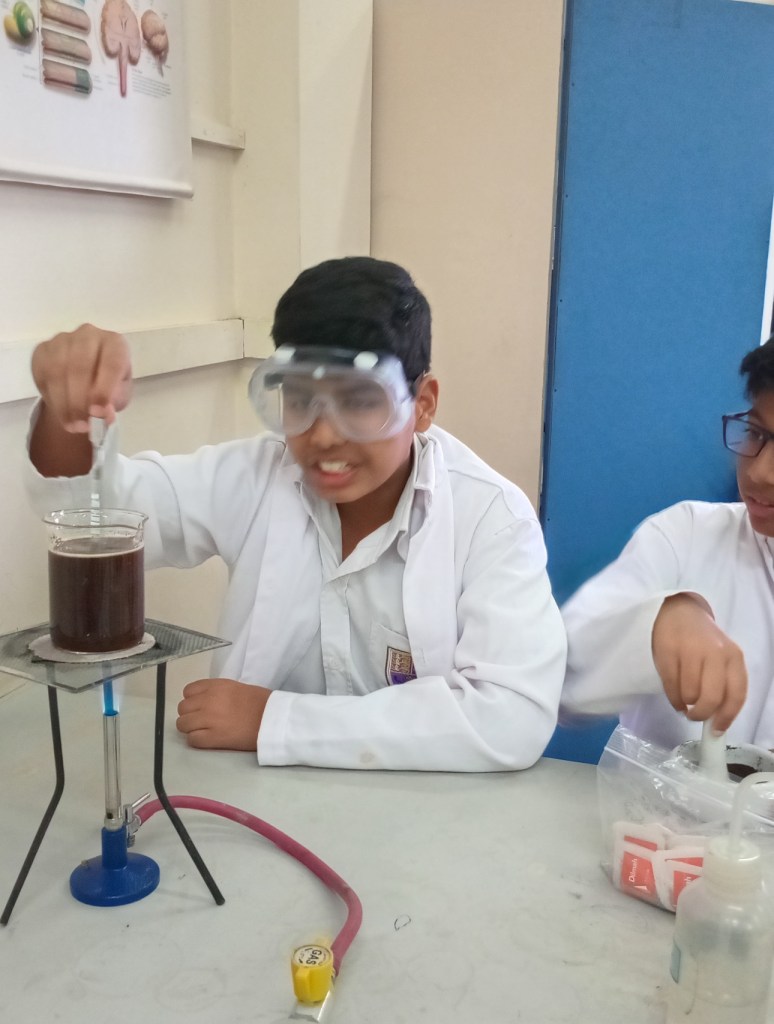
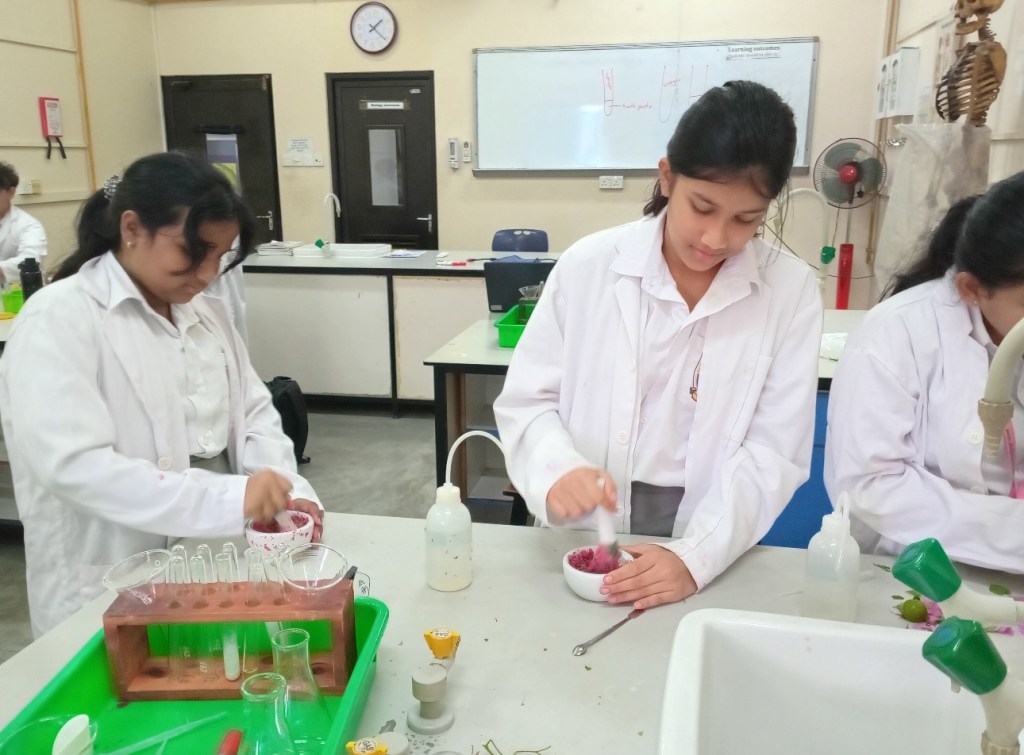
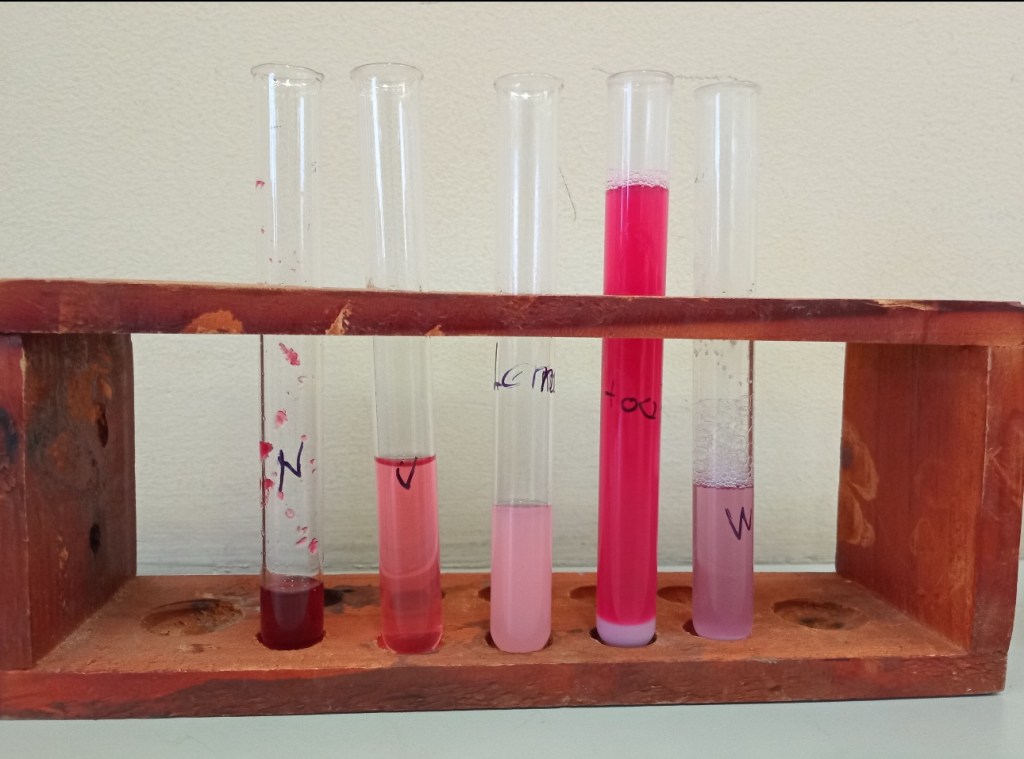
Our Year 7 students had a fascinating time creating and testing natural plant indicators. They
brought in everyday materials such as tea, turmeric, red cabbage, and red bougainvillea to make
natural pH indicators. The experiment involved testing these indicators with various substances,
including lime juice, soap water, vinegar, and toothpaste, to observe the color changes and
determine their acidic or basic nature. This hands-on activity helped students understand the
importance of natural indicators in identifying pH levels in different substances.





Year 8 Science – Exploring Refraction Through Optical Instruments and STEAM Learning
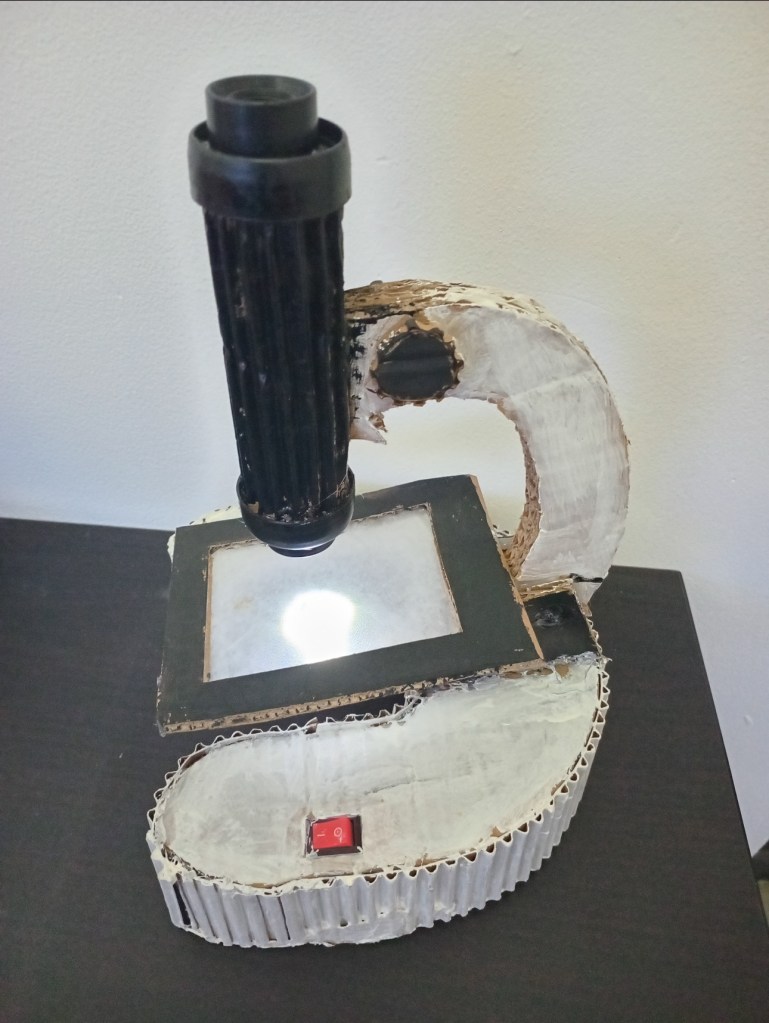
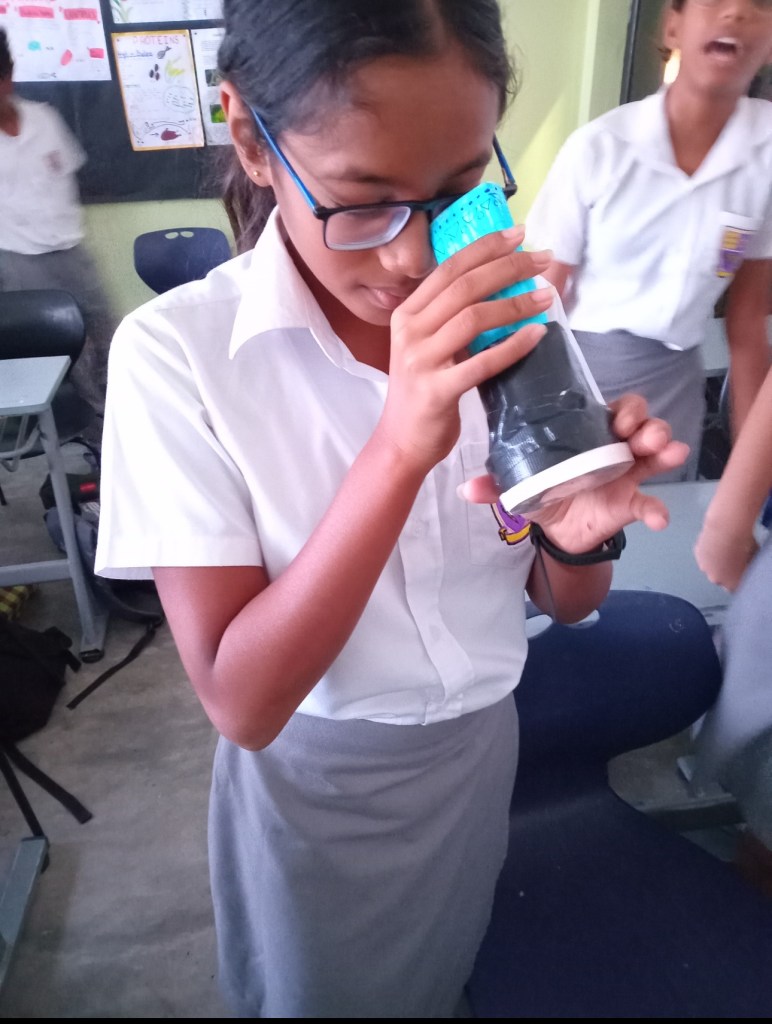
Year 8 Science students were given the task of applying their knowledge of refraction by working in
groups to construct various optical instruments. They successfully made microscopes, periscopes,
kaleidoscopes, pinhole cameras, and spectroscopes, reinforcing their understanding of light
behavior and its applications in real-world optical devices. This project was also a fantastic
example of STEAM (Science, Technology, Engineering, Arts, and Mathematics) integration, as
students combined scientific principles with creativity and engineering skills to design and build
functional models.

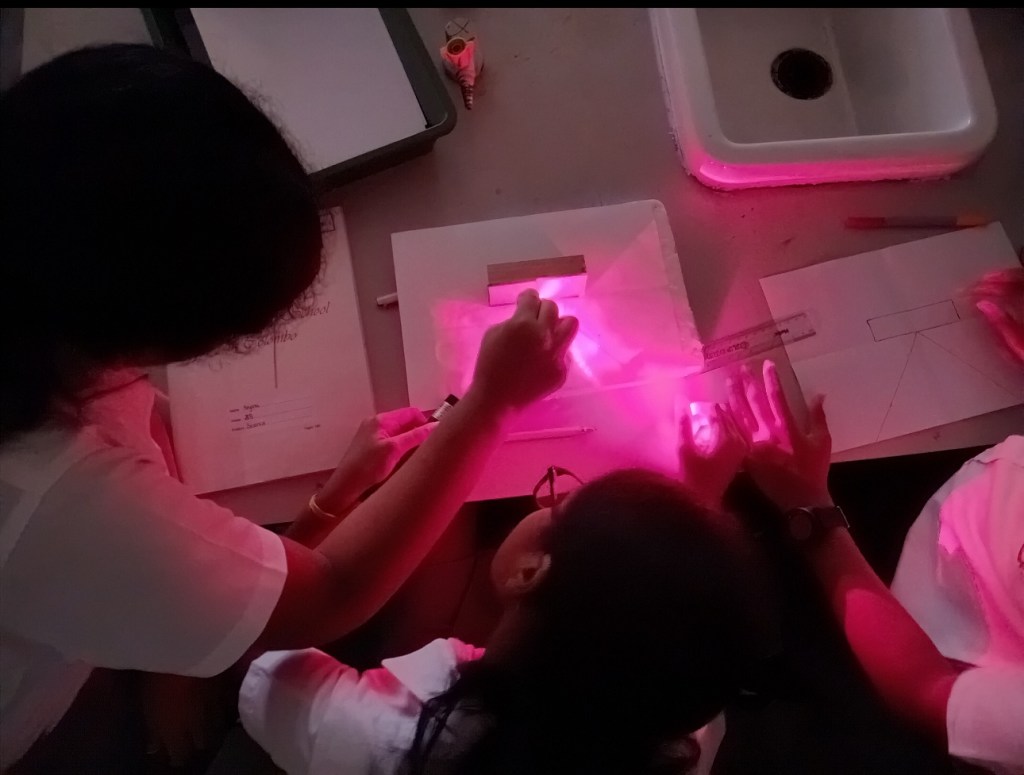

Additionally, Year 8 students conducted a practical to explore the pathway of light in reflection and
refraction. Using mirrors, glass blocks, and lasers, they visualized how light travels and changes
direction when it hits different surfaces, enhancing their understanding of optical phenomena.
Year 9 – Making of the DNA Model
Year 9 students have been learning about the structure of DNA. As part of their learning, they
created models to showcase their understanding of the double helix structure, inspired by the
groundbreaking work of Watson and Crick, who won the Nobel Prize for their discovery. This activity
helped students visualize the complexity and elegance of DNA.

Year 9 Physics – Micro:bit Programming
Year 9 Physics students explored the fundamentals of programming using Micro:bit. They engaged
in hands-on coding exercises, learning how to program the Micro:bit to perform various functions.This activity helped students develop their computational thinking skills and understand the
application of programming in physics experiments and real-world problem-solving.

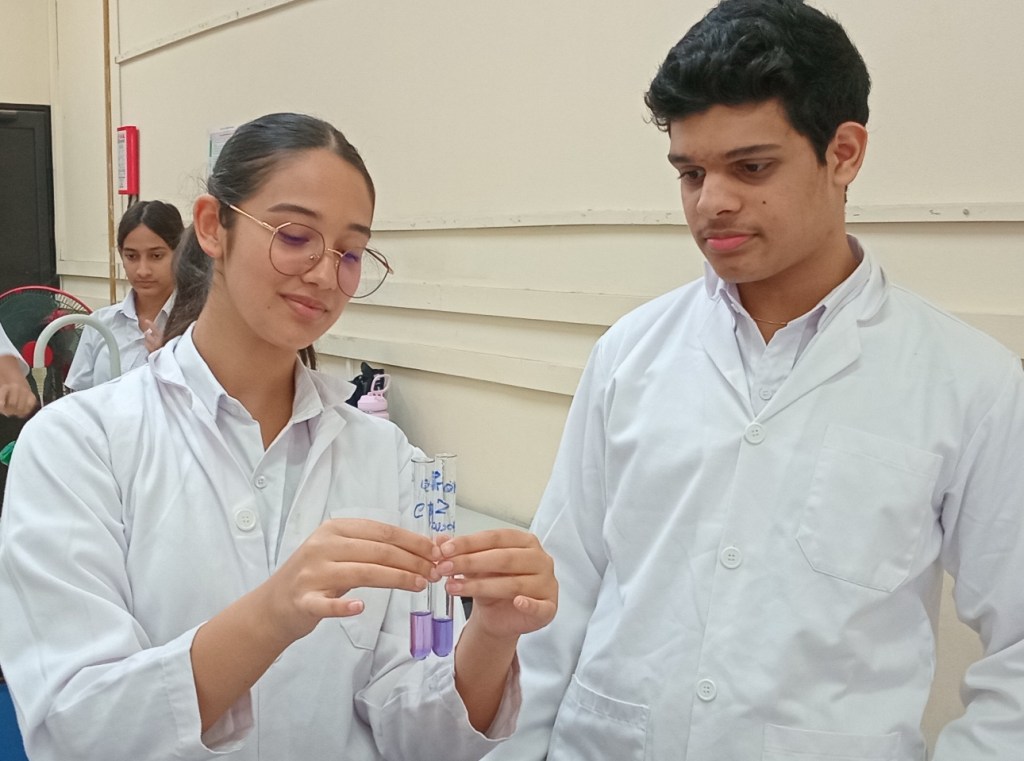
Year 10 – Food Tests for Nutrient Analysis
Year 10 Biology students conducted a series of food tests to detect the presence of essential
macronutrients. They explored methods to identify starch using iodine solution, protein using the
biuret test, lipids with the emulsion test, and reducing sugars through Benedict’s test. These
experiments allowed students to see firsthand how different foods contain varying nutrients and
reinforced their understanding of biochemical compounds in our diet.

Year 12 – Investigating Osmosis in Plant Cells and Mitosis
The concept of osmosis was brought to life for Year 12 Biology students through an experiment
using potatoes. By placing potato slices in different concentrations of solutions, students observed
water movement across the cell membranes, gaining a deeper understanding of how osmosis
affects plant cells. This experiment provided a clear visual representation of water potential and its
impact on plant tissues.
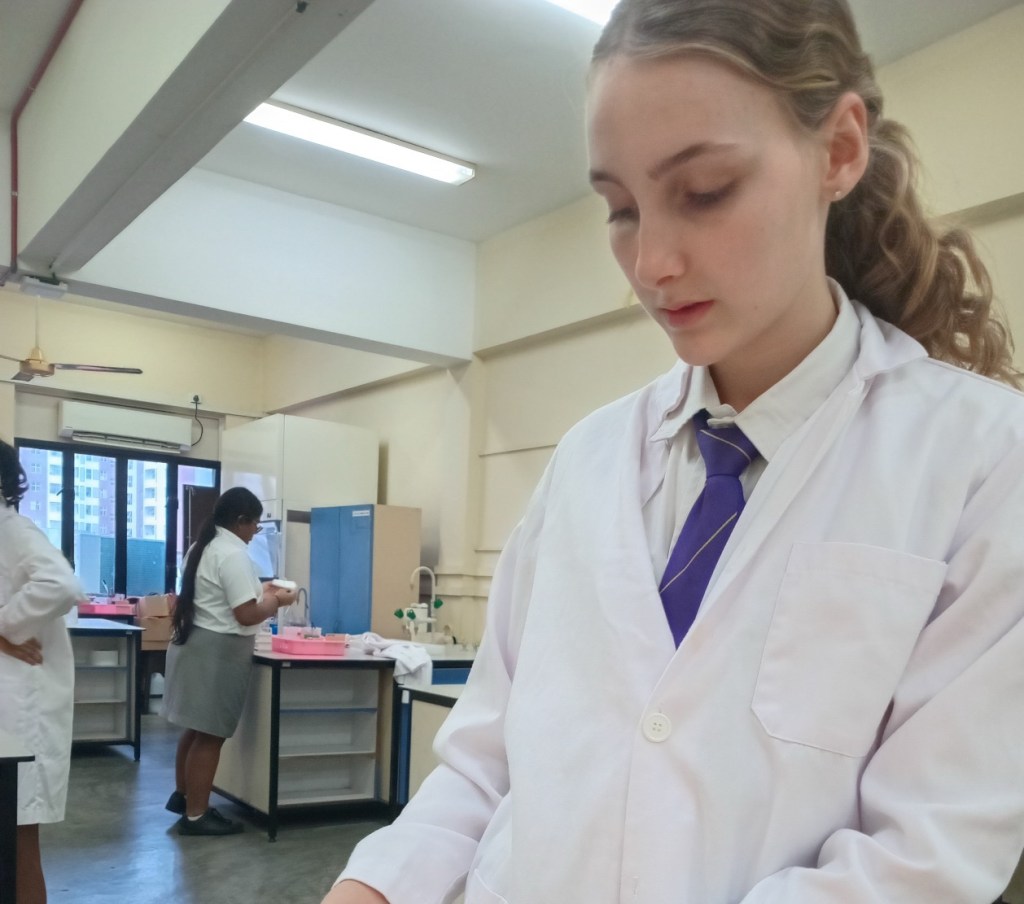
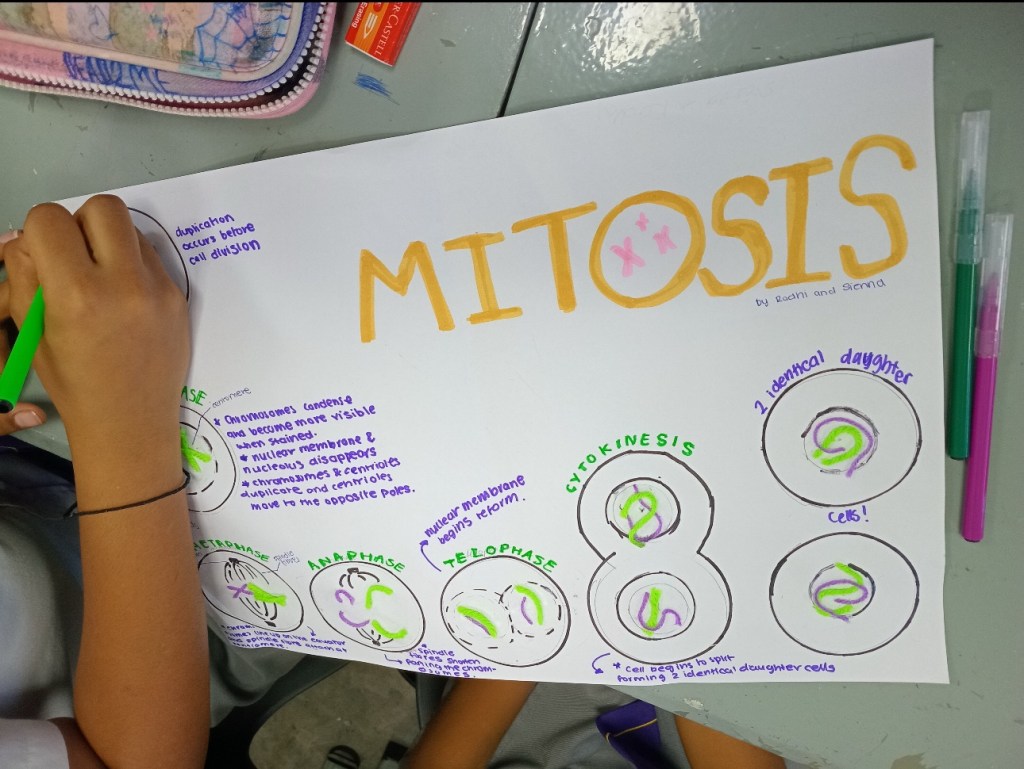
Additionally, Year 12 students explored mitosis using colored thread to represent chromosomes.
They demonstrated the behavior of chromosomes at different stages during meiosis, enhancing
their understanding of cell division and genetic variation.

Year 13 – Membrane Permeability and Temperature Effects
Year 13 Biology students investigated how temperature influences the permeability of cell
membranes using beetroot. By subjecting beetroot samples to different temperatures and
measuring the leakage of pigment, students observed how temperature affects membrane integrity.
This experiment linked theoretical knowledge about cell structure to real-life applications,
emphasizing the importance of temperature regulation in biological systems.


These engaging experiments have allowed students to actively participate in the learning process,
making science both fun and educational. Stay tuned for more exciting activities and discoveries
from the Science Department in the coming months!


 BSC Online
You must be logged in to post a comment.